
Mammifères exotiques dans la CaraïbE
ESPÈCES ÉTUDIÉES DANS LE PROGRAMME
REFERENCES SCIENTIFIQUES RECENTES
Des travaux scientifiques rigoureux sont essentiels pour mieux comprendre l’impact des espèces exotiques sur la biodiversité locale. Ils permettent également de mettre en place des actions de gestion adaptées aux espèces ciblées et aux caractéristiques propres aux milieux dans lesquels ces mesures sont mises en œuvre, tout en prenant en compte le contexte socio-culturels propre à chaque territoire.
Vous trouverez ci-dessous une sélection d’articles scientifiques récents en lien avec ces thématiques.
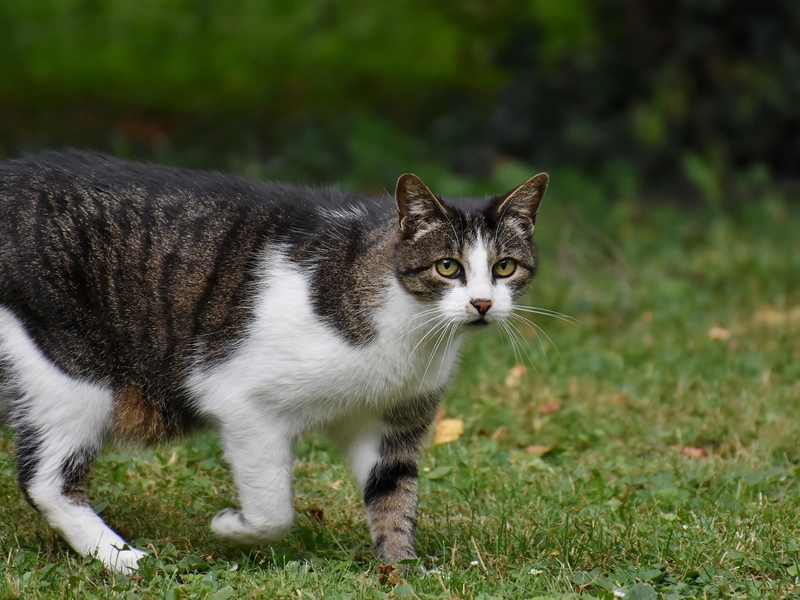
- Galao, A., Soto, E.J, Nunes, J., Pedroso, N.M., Rocha, R., Rato, C. (2025). When pets go wild: Integrating DNA metabarcoding and morphological analyses to investigate the impacts of free-ranging cats (Felis catus) on oceanic islands. Biological Conservation 305: 111089. https://doi.org/10.1016/j.biocon.2025.111089.
En utilisant plusieurs méthodes complémentaires (métabarcoding ADN, analyse morphologique de fèces et pièges photographiques, cette étude caractérise finement le régime alimentaire de chats errants sur une île océanique (Madère) et met en évidence une prédation étendue sur des vertébrés natifs, soulignant l’impact potentiel des chats sur la biodiversité insulaire.
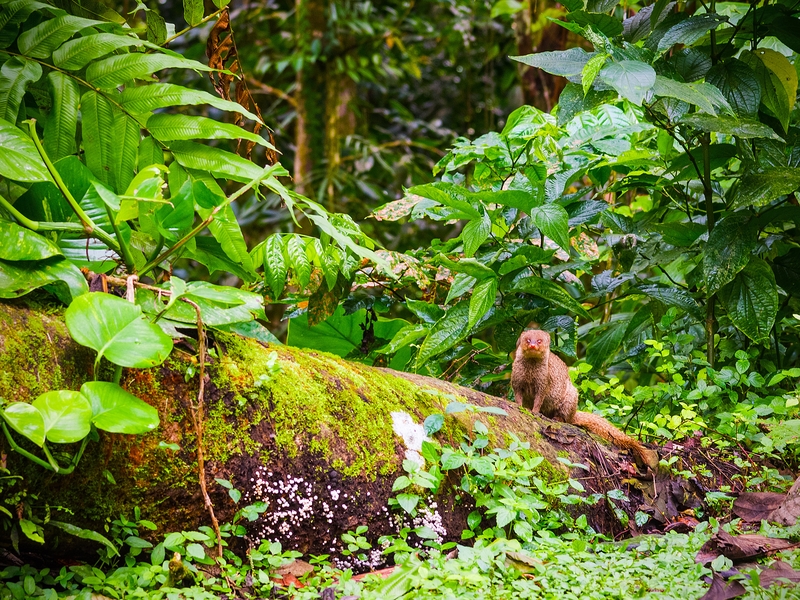
- Angeli, N.F., Lombard, C.D., Brewer, S.D., Hoagland, B., & Hoagland, B. (2025). Regional ubiquity and local control of the invasive Small Indian Mongoose in the Caribbean. Caribbean Journal of Science 55: 31–44. https://doi.org/10.18475/cjos.v55i1.a4.
Cet article montre que la petite mangouste indienne (Urva auropunctata) est largement répandue dans la Caraïbe, occupant plus de 77 % des surfaces terrestres régionales. À partir d’un suivi démographique de 15 ans mené à Sainte-Croix (Îles Vierges américaines), il évalue l’efficacité d’un programme de contrôle ciblé sur l’espèce.
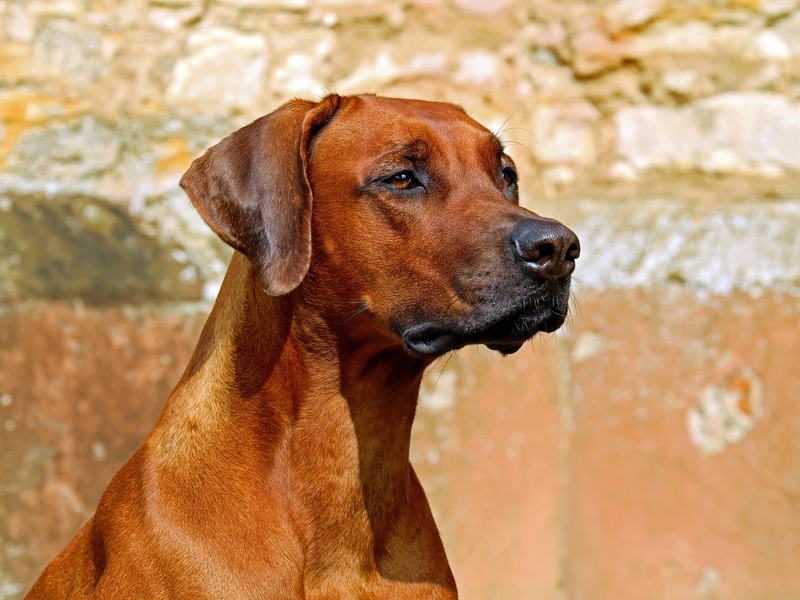
- Yosef, R. (2025). Confronting the challenge: Integrated approaches to mitigate the impact of free-ranging dogs on wildlife conservation. Conservation 5: 29. https://doi.org/10.3390/conservation5030029.
Cette revue globale synthétise les effets écologiques des chiens errants sur la faune sauvage (prédation, transmission de maladies, compétition, hybridation) et plaide pour des stratégies de gestion intégrées tenant compte des dimensions écologiques, sociales et sanitaires.
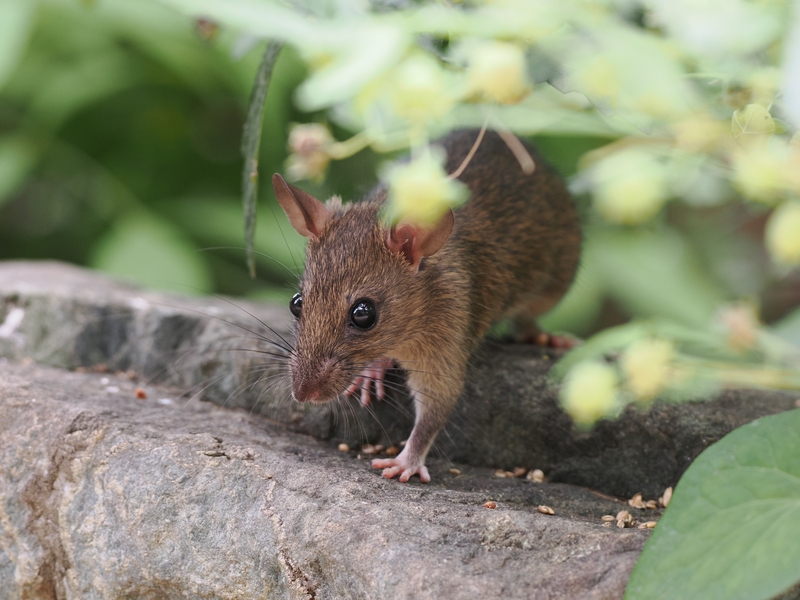
- Birand, A., Gierus, L., Prowse, T.A.A., Cassey, P., & Thomas, P.Q. (2025). Maximising eradication potential of rat gene drives using a two-target homing rescue strategy: Spatial modelling of empirical data. Molecular Ecology 34: e17777. https://doi.org/10.1111/mec.17777
- Choukani, S. (2025). Perception of People Toward Free Roaming Dogs in West Bengal. SSRG International Journal of Humanities and Social Sciences 12(2): 1-8. https://doi.org/10.14445/23942703/IJHSS-V12I2P101
- Kuo, T-H., Chang, G-M., Yu, P-H., Chen, W-H. & Yen, S-H. (2025). The difference in roaming behavior between owned and unowned dogs in a satoyama landscape area. Applied Animal Behaviour Science 283: 106521. https://doi.org/10.1016/j.applanim.2025.106521
- Langlois, T., Hurtrez-Boussès, S. & de Garine-Wichatitsky, M. (2025). Pet and Stray Dogs’ Contribution to Zoonotic Transmission Pathways: A Bibliometric Review. Transboundary and Emerging Diseases. https://doi.org/10.1155/tbed/5522451
- Mahdi, Z., El Bouri, H., Charif, F., Bousgheïri, F., Gourinda, A., Sammoud, K. & Najdi, A. (2025). Policy recommendations for managing stray dogs in Morocco. Eastern Mediterranean Health Journal 31:509–515. https://doi.org/10.26719/2025.31.8.509.
- Mohammadi, A., & Alambeigi, A. (2025). Exploring the behavioral causal chain in free-ranging dogs feeding patterns in southern Iran. Scientific Reports 15: 31340. https://doi.org/10.1038/s41598-025-16616-y
- Hiby, E., Rungpatana, T., Izydorczyk, A., Benka, V., & Rooney, C. (2025). The impact of Catch–Neuter–Vaccinate–Return (CNVR) on Greater Bangkok residents’ attitudes and behaviours towards free-roaming dogs. Animals 15: 1274. https://doi.org/10.3390/ani15091274
- Palmer, A., Willing, L. & McLauchlan, L. (2025). Holding Discomfort: Reducing Polarisation Around Killing for Conservation. Australian Humanities Review 73: 42–70. doi: 10.56449/14685502.
- Tayebwa, D.S., Ssekandi, C., Nalubwama, S., Dankaine, R., Lutebemberwa, I., Rashid, N.K. et al. (2025). Public attitudes, perceptions, and suggested strategies for managing free-roaming dogs in selected urban and rural settings in Uganda. Frontiers in Animal Science 6:1659277. https://doi.org/10.3389/fanim.2025.1659277
- Thichumpa, W., Wiratsudakul, A., Lawpoolsri, S., Limpanont, Y., Thanapongtharm, W., Smith, L.M. et al. (2025) Optimizing dog population control strategies in Thailand using mathematical and economic modeling. PLoS Neglected Tropical Diseases 19: e0013202. https://doi. org/10.1371/journal.pntd.001320
- Willacy, R., Legge, S. & McDonald-Madden, E. (2025). Act for the best, prepare for the worst—Defining strategic mesopredator triggers that safeguard apex predator eradication benefits. Journal of Applied Ecology 62: 458–469. https://doi.org/10.1111/1365-2664.14878